
Pip: The Sunny Muse, where the internet remembers, occasionally, that you are allowed to sit down.
Mara: Gaurvi has been writing about exactly that: the value of rest, how our tastes quietly shift as we get older, and what it actually takes to redirect a negative thought. Today we move through all three.
Pip: Let’s start with the case for doing absolutely nothing.
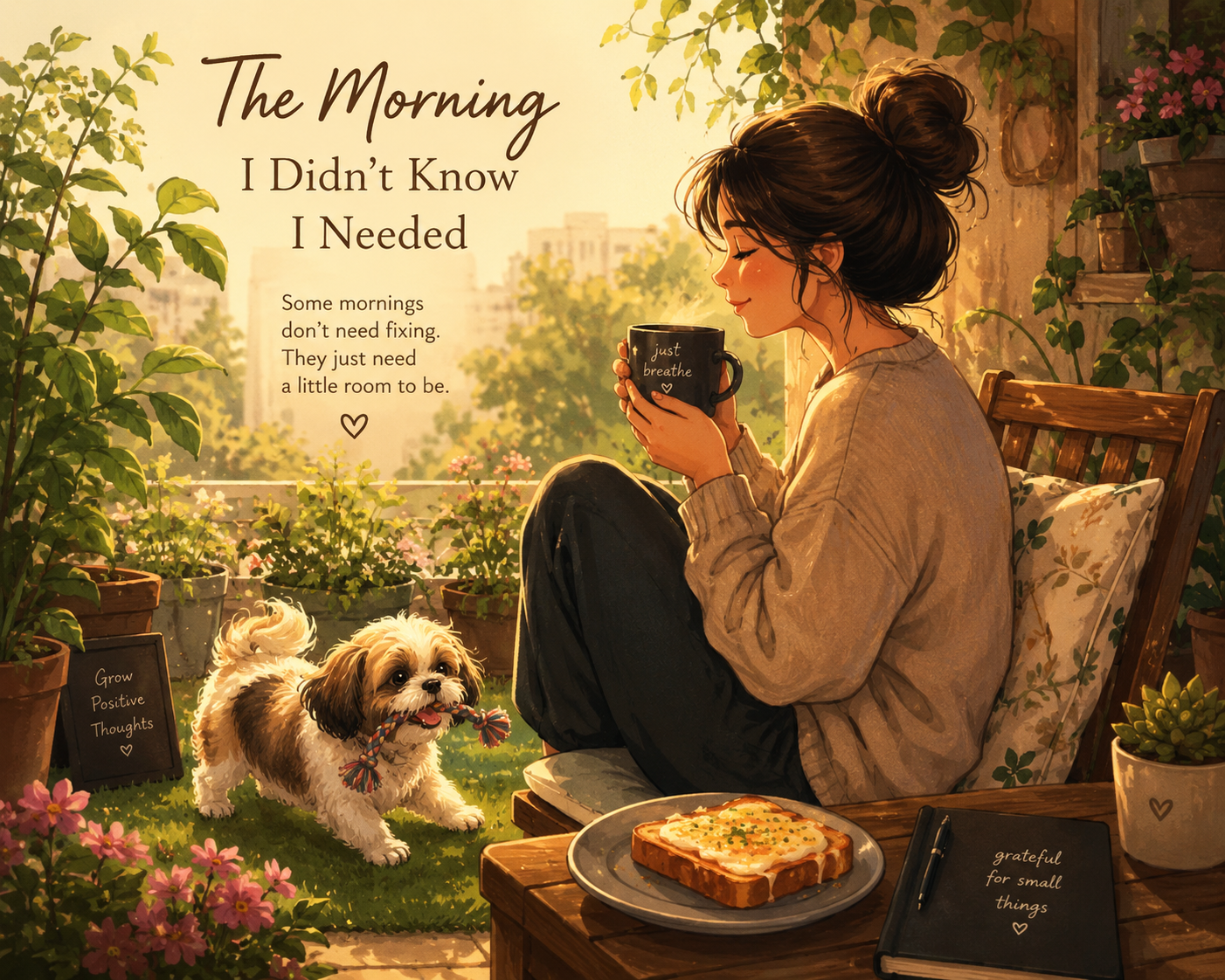
Embracing Rest And Stillness
Mara: The post opens with a recognizable moment, waking up blank, unmotivated, disconnected and asks whether that feeling needs fixing at all.
Pip: The answer, it turns out, is no. And the post puts it plainly: “Sometimes healing happens in the pauses, in the silence, and in the spaces where we allow ourselves to simply be.”
Mara: That reframe matters. The post isn’t endorsing avoidance it’s separating rest from laziness, which are not the same thing, even though we treat them that way constantly.
Pip: Productivity culture really did a number on napping.
Mara: The post also extends an open invitation if the weight feels heavy, reach out, because sometimes a familiar presence is the whole point. Some days are for growth; some are for rest. Both count.
Pip: Which, interestingly, sets up a question the next post answers sideways when did rest stop feeling like a punishment?
Changing Tastes With Age
Mara: The question at the center here is a simple one: what do you love now that you once couldn’t stand?
Pip: Naps, apparently. Broccoli. Quiet weekends. The list reads like a betrayal letter to your ten-year-old self.
Mara: The post frames it as perspective rather than surrender: “These changes remind us that growth is not just about getting older; it is about learning to see the world differently.”
Pip: That’s the real move it’s not that broccoli got better. It’s that your relationship with your own body changed enough to notice what it actually needs.
Mara: The post walks through several of these reversals: the appreciation for parents’ advice, early mornings, nutritious food. Each one follows the same logic the thing wasn’t unpleasant, the experience to appreciate it just hadn’t arrived yet.
Pip: And the biggest reversal on the list is the relationship with peace itself. Younger, we chased drama and approval. Later, authenticity starts to outrank impressive.
Mara: Which connects directly to the next post because once you’re watching your own thought patterns more closely, you start noticing which ones are worth keeping.
Shifting Mindsets Toward Positivity
Mara: The post on transforming negative thoughts opens with a clarification that resets the whole conversation: thoughts are not facts.
Pip: “Just because your mind tells you something doesn’t make it true. Thoughts are often influenced by emotions, stress, and past experiences.”
Mara: So the upshot is: before you believe a negative thought, you’re invited to pause and ask whether it’s actually true or just how you feel right now. That gap between feeling and fact is where the work happens.
Pip: The cloud metaphor lands well acknowledge the thought, let it pass, don’t hand it a chair and a cup of tea.
Mara: The post also pushes back on self-criticism directly: most people are far harsher on themselves than they’d ever be on a friend. The prescription is compassion, not performance. And practically, a walk, some journaling, or a change of environment can interrupt the cycle before it compounds.
Pip: The goal isn’t a thought-free mind. It’s stopping negative thoughts from writing your biography.
Mara: Exactly — the post closes on that note: thoughts come and go, but they don’t determine your worth or your future.
Pip: Rest, perspective, and quieting the inner critic, not a bad set of ideas to carry into the week.
Mara: More from The Sunny Muse next time.


Leave a Reply